Introduction
The interior design sector is going through a major transition as India keeps up its rapid urbanization and technological advancements. The implementation of smart lighting systems is one of the most innovative developments in this industry. In addition to improving a space’s aesthetic appeal, these systems also improve convenience, energy efficiency, and the general quality of life. This article examines the development, advantages, and potential applications of smart lighting systems in India, offering a thorough analysis of the ways in which these advancements are influencing the nation’s interior design landscape.
The Evolution of Smart Lighting Systems
Over the past ten years, the idea of smart lighting has undergone significant change. The Internet of Things (IoT), artificial intelligence (AI), and wireless communication are just a few examples of the cutting-edge technologies that have replaced the manual switches and simple wiring of traditional lighting systems.
Around the middle of the 2010s, as smartphone penetration increased and demand for smart home appliances increased, smart lighting systems started to become more popular in India. Leading companies in this revolution include Philips, Syska, and Wipro. They have introduced a variety of smart lighting products that can be managed through voice assistants, automated schedules, and mobile apps.
Key Components of Smart Lighting Systems
- Smart Bulbs and Fixtures: These are the fundamental elements of any smart lighting system. They come equipped with wireless connectivity options such as Wi-Fi, Zigbee, or Bluetooth, allowing users to control them remotely. Smart bulbs can change colors, dim, or brighten as per the user’s preference.
- Control Hubs: These act as the central point of communication for all connected devices in a smart lighting system. Popular hubs like Amazon Echo, Google Home, and Apple HomePod integrate seamlessly with various smart lighting products, enabling voice control and automation.
- Sensors: Motion sensors, ambient light sensors, and occupancy sensors play a crucial role in enhancing the functionality of smart lighting systems. They can automatically adjust lighting based on movement, natural light availability, or room occupancy, thereby optimizing energy usage.
- Mobile Apps and Voice Assistants: These interfaces allow users to control and customize their lighting settings. Mobile apps from manufacturers like Philips Hue, Mi Home, and others provide a user-friendly experience, while voice assistants like Alexa, Google Assistant, and Siri offer hands-free control.
Benefits of Smart Lighting Systems
- Energy Efficiency: One of the main advantages of smart lighting systems is their capacity to conserve energy. These systems offer precise control over illumination thanks to LED technology, which can significantly reduce electricity consumption. Thanks to sensor-based adjustments and automated schedules, lighting is only used when necessary, which contributes to energy savings.
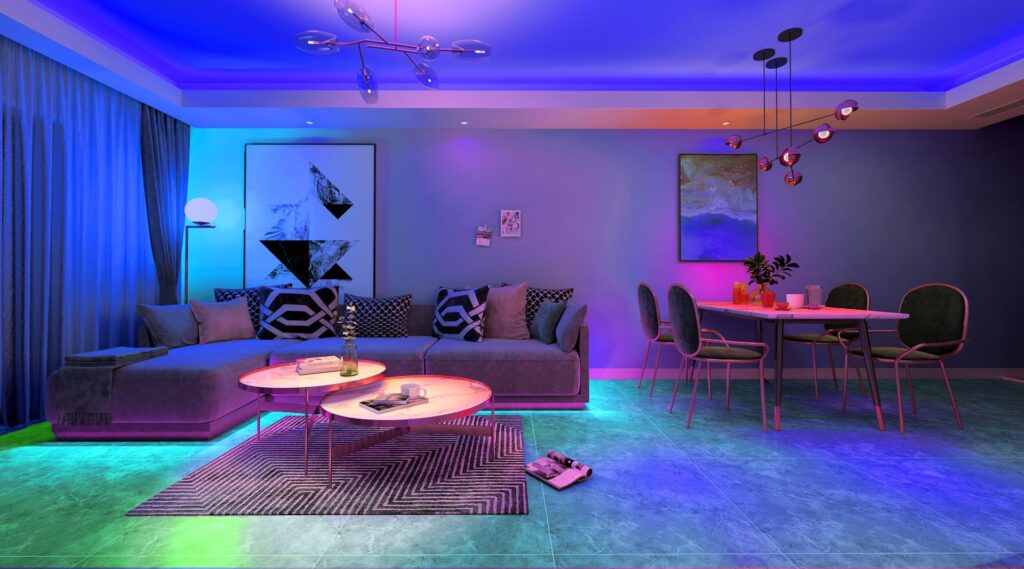
- Enhanced Ambiance: Users of smart lighting systems can create the ideal atmosphere for any occasion thanks to the systems’ high degree of customization. These systems’ capacity to modify brightness and color temperatures can change a room’s atmosphere and make it feel cozier and friendlier.
- Convenience and Control: Traditional systems are not as convenient as the ability to control lighting remotely via voice commands or mobile apps. Users can adjust settings, create schedules, and turn lights on and off from anywhere, giving them more flexibility and control.
- Integration with Smart Home Ecosystems: Entertainment systems, security cameras, thermostats, and other smart home appliances can all be easily integrated with smart lighting systems. This integration makes it possible to create complex automation scenarios, which enhances the overall smart home experience.
- Enhanced Safety and Security: By mimicking occupancy when homeowners are away, smart lighting can improve home security. Motion-activated lights can illuminate dark areas, lowering the risk of accidents and improving personal safety, while automated lighting schedules can discourage potential intruders.
Challenges and Barriers to Adoption
Despite the numerous benefits, the adoption of smart lighting systems in India faces several challenges:
- High Initial Costs: The upfront cost of smart lighting products and installation can be a significant barrier for many consumers. Although prices have been decreasing over time, smart lighting systems are still more expensive than traditional lighting solutions.
- Technical Complexity: The integration and setup of smart lighting systems can be complex, especially for users who are not tech-savvy. Ensuring compatibility between different devices and platforms can also be a challenge.
- Limited Awareness: While awareness of smart home technologies is growing, many consumers in India are still unfamiliar with the benefits and functionality of smart lighting systems. Education and marketing efforts are needed to drive adoption.
- Connectivity Issues: Reliable internet connectivity is crucial for the seamless operation of smart lighting systems. In areas with poor or unstable internet connections, users may experience disruptions in the functionality of their smart lighting systems.
Case Studies and Success Stories
- Residential Projects: Several high-end residential projects in metropolitan cities like Mumbai, Delhi, and Bangalore have successfully integrated smart lighting systems. These projects demonstrate how smart lighting can enhance the aesthetic appeal and functionality of living spaces, offering residents a modern and convenient lifestyle.
- Commercial Spaces: Smart lighting systems are also making their mark in commercial spaces such as offices, hotels, and shopping malls. For instance, smart lighting solutions have been implemented in the offices of major IT companies in Bangalore, leading to improved energy efficiency and employee productivity.
- Public Infrastructure: Some Indian cities are experimenting with smart lighting in public infrastructure projects. For example, smart street lighting systems that adjust brightness based on traffic and pedestrian movement have been installed in parts of Pune and Ahmedabad, resulting in significant energy savings and improved public safety.
The Future of Smart Lighting in India
With the support of encouraging government policies, rising consumer awareness, and technological advancements, the future of smart lighting systems in India appears bright. The following tendencies are anticipated to influence this sector’s future:
- Increased Adoption of AI and Machine Learning: AI and machine learning algorithms will play a crucial role in enhancing the capabilities of smart lighting systems. These technologies can analyze user preferences and behaviors to provide personalized lighting experiences, further improving energy efficiency and convenience.
- Expansion of IoT Ecosystems: As the IoT ecosystem continues to expand, smart lighting systems will become more integrated with other smart home and building management systems. This integration will enable more comprehensive and automated control over various aspects of the home or office environment.
- Development of Smart Cities: The Indian government’s Smart Cities Mission aims to develop 100 smart cities across the country. Smart lighting is expected to be a key component of these initiatives, contributing to energy efficiency, improved public safety, and enhanced urban living.
- Focus on Sustainability: With increasing awareness of environmental issues, there will be a greater focus on sustainable and energy-efficient lighting solutions. Smart lighting systems, with their ability to reduce energy consumption and support renewable energy sources, will play a crucial role in achieving sustainability goals.
- Advancements in Lighting Technology: Ongoing advancements in LED technology, wireless communication protocols, and sensor technology will continue to drive the evolution of smart lighting systems. These advancements will result in more efficient, reliable, and user-friendly solutions.
Conclusion
In India, smart lighting solutions have the potential to completely change the interior design industry. These systems present a strong argument for individuals, companies, and public infrastructure projects due to their many advantages, which include increased safety, convenience, ambiance, and energy efficiency. There are still obstacles to overcome, including high startup costs, technological complexity, and low awareness, but India’s prospects for smart lighting appear promising. As consumer awareness and technology progress, smart lighting systems will become a necessary component of contemporary living and working environments, fostering a more sustainable and interconnected global community.